

Ultimate Guide to Ancient Egypt for First-Time Visitors: 10 Amazing Historical Wonders
Ultimate Guide to Ancient Egypt for First-Time Visitors: 10 Amazing Historical Wonders
Ultimate Guide to Ancient Egypt for First-Time Visitors begins with one simple idea: Egypt is not just a destination filled with ancient monuments. It is a journey through thousands of years of history, culture, religion, architecture, and fascinating stories. From the Great Pyramid of Giza to the royal tombs of the Valley of the Kings, Egypt allows travelers to experience some of humanity’s greatest achievements firsthand.
For anyone visiting Egypt for the first time, choosing where to go can feel overwhelming. The country has countless archaeological sites, museums, temples, tombs, and historic cities. Therefore, understanding the most important destinations can help you create a rewarding itinerary without trying to see everything at once.
This Ultimate Guide to Ancient Egypt for First-Time Visitors introduces the most important historical attractions while providing practical ideas for planning your journey.
Ultimate Guide to Ancient Egypt for First-Time Visitors: Where to Begin
The best way to start exploring Egypt is by focusing on the country’s major historical regions. Cairo provides access to the pyramids and important museums, while Luxor contains an extraordinary concentration of temples and royal tombs. Aswan offers beautiful Nile scenery and access to Abu Simbel.
A well-planned itinerary can therefore combine several destinations instead of focusing on one city.
Start With Cairo and Giza
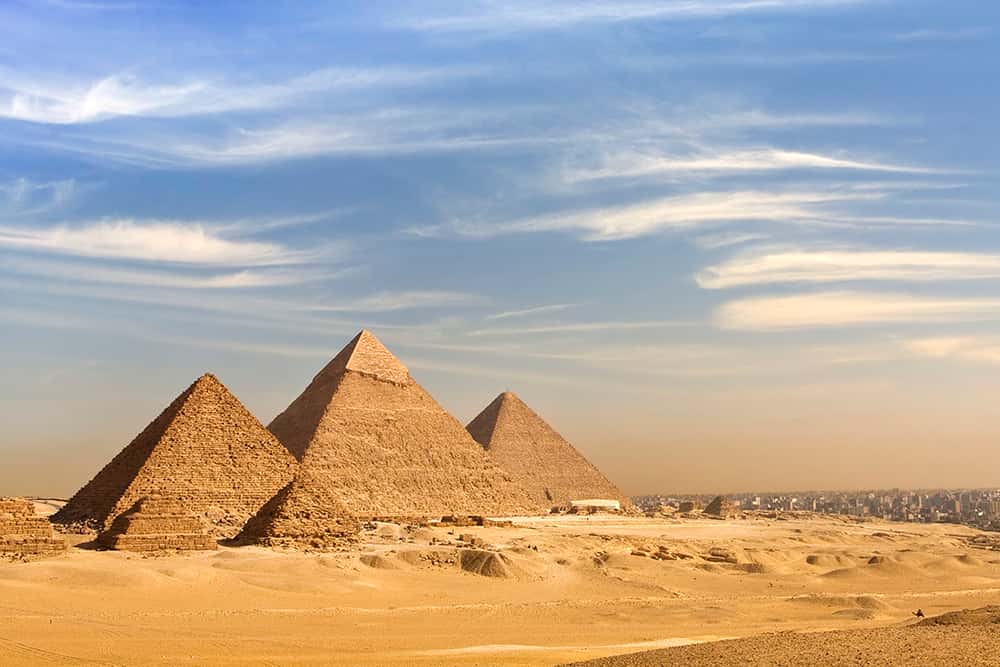
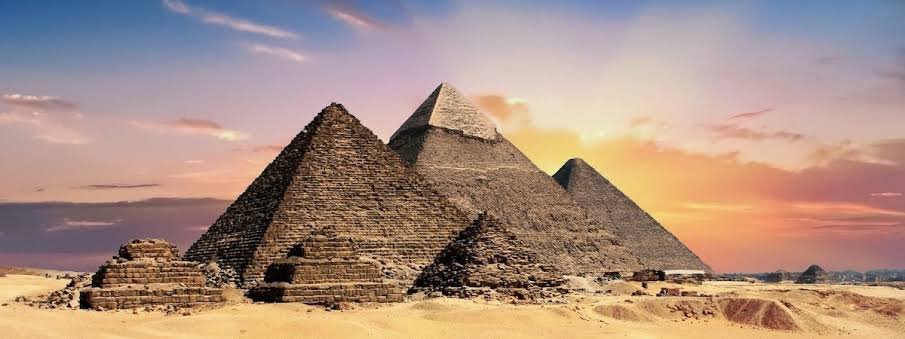
Cairo is the natural starting point for many first-time travelers. The nearby Giza Plateau contains the Great Pyramid of Khufu, the Pyramid of Khafre, the Pyramid of Menkaure, and the Great Sphinx.
Standing before the pyramids is one of the most memorable experiences in Egypt. These monuments demonstrate the extraordinary organization, engineering, and craftsmanship of the Old Kingdom.
The area around Giza also provides excellent opportunities for photography and sightseeing.
Explore Saqqara and Memphis
After Giza, consider visiting Saqqara and Memphis. Saqqara is famous for the Step Pyramid of Djoser, an important milestone in the development of Egyptian pyramid architecture.
Memphis was one of Ancient Egypt’s most important capitals. Together, these destinations help visitors understand how Egyptian civilization developed before the great monuments of later periods were constructed.
Discover the Historic Treasures of Luxor
No Ultimate Guide to Ancient Egypt for First-Time Visitors would be complete without Luxor. Often described as one of the world’s greatest open-air archaeological destinations, Luxor contains monuments on both sides of the Nile.
Karnak Temple
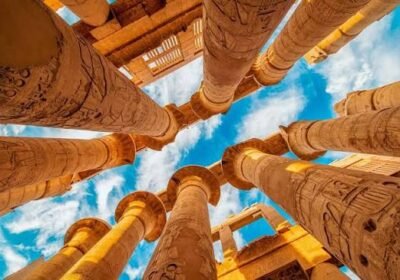
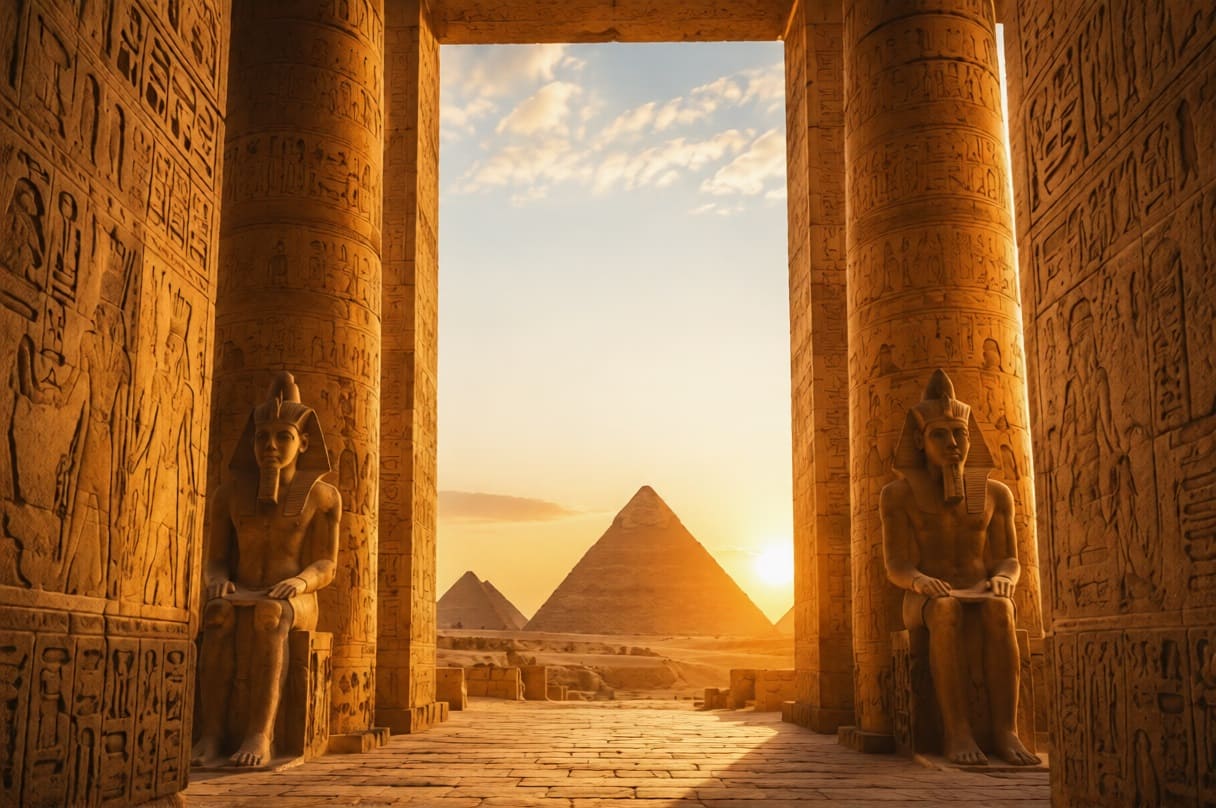
Karnak Temple is one of Egypt’s largest religious complexes. Its enormous columns, statues, obelisks, and inscriptions demonstrate the power of ancient Egyptian religion and architecture.
Visitors should allow plenty of time to explore the complex because there is much more to see than the famous Hypostyle Hall.
Luxor Temple
Luxor Temple is another essential attraction. Its monumental entrance, statues, columns, and inscriptions reveal the importance of royal ceremonies and religious traditions.
The temple is particularly atmospheric in the evening when its architecture is illuminated.
Explore the Valley of the Kings
The Valley of the Kings is one of the most fascinating destinations for travelers interested in pharaohs and ancient Egyptian beliefs.
Unlike the enormous pyramids of the Old Kingdom, New Kingdom rulers were buried in rock-cut tombs hidden among the mountains of western Luxor.
Many tombs contain colorful scenes, hieroglyphic inscriptions, and religious texts describing the journey to the afterlife.
Discover Tutankhamun’s Tomb
The tomb of Tutankhamun is among the most famous royal tombs in the world. Although relatively small compared with other royal tombs, its discovery revealed an extraordinary collection of treasures.
The Valley of the Kings also contains many other remarkable tombs, making it worthwhile to explore beyond Tutankhamun.
Visit the Temple of Hatshepsut
The Temple of Hatshepsut stands dramatically beneath the cliffs of Deir el-Bahari. Its terraces and architectural design make it one of the most distinctive monuments on the West Bank of Luxor.
Hatshepsut was one of Egypt’s most important female rulers. Her temple provides insight into royal power, trade, religion, and monumental architecture during the New Kingdom.
Enjoy a Nile Cruise Between Luxor and Aswan
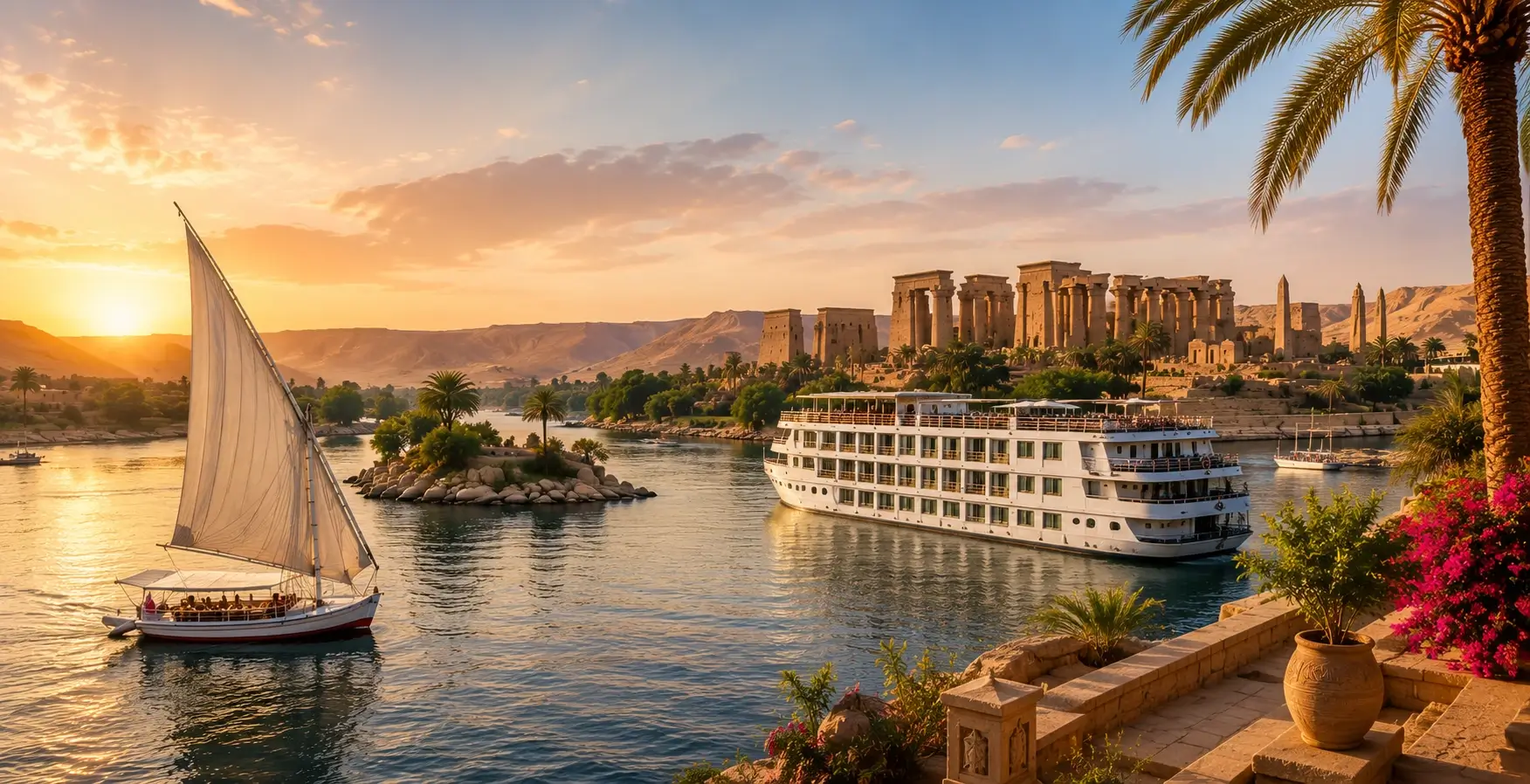
A Nile cruise is one of the most relaxing ways to experience Egypt’s ancient heritage. The journey connects several important archaeological destinations while providing beautiful views of the river valley.
Depending on the route, travelers may visit Edfu Temple and Kom Ombo Temple along the way.
For first-time visitors to Ancient Egypt, a Nile cruise also provides a comfortable way to combine sightseeing with relaxation.
Discover Aswan and Philae Temple
Aswan offers a quieter atmosphere than Cairo and Luxor. Its location along the Nile creates beautiful scenery, while several important monuments make it an essential stop on a historical itinerary.
Philae Temple is one of the city’s major attractions. Dedicated primarily to the goddess Isis, the temple complex was relocated to Agilkia Island during an international preservation project.
The Unfinished Obelisk and Nubian cultural experiences provide additional reasons to spend time in Aswan.
Visit the Magnificent Abu Simbel Temples
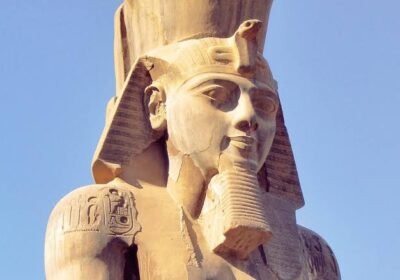
Abu Simbel is one of Egypt’s most spectacular archaeological destinations. The enormous temples were commissioned by Ramses II and feature colossal statues carved directly into the mountainside.
The temples were relocated during the twentieth century to protect them from the rising waters created by the Aswan High Dam.
For many travelers following an Ultimate Guide to Ancient Egypt for First-Time Visitors, Abu Simbel becomes one of the most unforgettable highlights of the journey.
Visit Egypt’s Museums
Ancient monuments tell only part of Egypt’s story. Museums provide additional context by preserving statues, jewelry, papyri, tools, religious objects, and other archaeological discoveries.
The Grand Egyptian Museum and other major museums in Cairo allow visitors to see artifacts closely and understand how ancient Egyptians lived, worshipped, ruled, and prepared for the afterlife.
Combining museum visits with archaeological sites creates a much deeper understanding of Ancient Egyptian civilization.
Best Time to Visit Ancient Egyptian Sites
The cooler months from October to April are generally more comfortable for exploring outdoor archaeological sites.
Early morning is often a good time to visit major monuments because temperatures can be more pleasant. It can also provide better conditions for photography.
Summer travelers should plan outdoor sightseeing carefully and carry sufficient water, sunscreen, and sun protection.
Essential Tips for First-Time Visitors
Planning is especially important when visiting Egypt’s historical attractions.
Wear Comfortable Shoes
Many archaeological sites involve substantial walking over uneven surfaces. Comfortable shoes can make a significant difference.
Carry Water and Sun Protection
Egypt’s climate can be hot, especially around exposed monuments. Water, sunscreen, sunglasses, and a hat are useful throughout the day.
Allow Enough Time
Trying to visit too many attractions in a single day can make the experience exhausting. A slower itinerary often allows travelers to appreciate the history more fully.
Consider a Professional Guide
A knowledgeable guide can explain hieroglyphics, religious beliefs, royal traditions, and historical events that may otherwise be difficult to understand.
A Suggested 7-Day Historical Itinerary
This Ultimate Guide to Ancient Egypt for First-Time Visitors can be used to build a practical one-week itinerary.
Days 1–2: Cairo and Giza
Explore the pyramids, Sphinx, museums, and historic areas of Cairo.
Days 3–4: Luxor
Visit Karnak Temple, Luxor Temple, the Valley of the Kings, and the Temple of Hatshepsut.
Days 5–6: Nile Cruise and Aswan
Travel along the Nile and visit temples such as Edfu and Kom Ombo before exploring Aswan.
Day 7: Abu Simbel
Finish your historical journey with the spectacular temples of Abu Simbel.
Travelers with more time can extend the itinerary to include Saqqara, Memphis, Dendera, Abydos, and additional sites around Luxor.
Frequently Asked Questions
How many days are enough for first-time visitors to Ancient Egypt?
Seven to ten days provide a good introduction to Egypt’s major historical attractions. Travelers with more time can add additional archaeological sites.
What is the most important Ancient Egyptian site?
The Great Pyramid of Giza is the most iconic monument, while Luxor offers one of the world’s greatest concentrations of ancient temples and royal tombs.
What is the best time to visit Egypt?
October through April generally provides more comfortable conditions for sightseeing, particularly at outdoor archaeological sites.
Should first-time visitors hire a guide?
A professional guide can make historical sites much easier to understand. Guides can explain architecture, religious beliefs, hieroglyphics, and the stories behind individual monuments.
Conclusion
The Ultimate Guide to Ancient Egypt for First-Time Visitors provides a starting point for discovering one of the world’s most extraordinary historical destinations. From the pyramids of Giza and the temples of Luxor to the royal tombs of the Valley of the Kings, the monuments of Aswan, and the magnificent temples of Abu Simbel, Egypt offers an incredible journey through thousands of years of history.
The key to a successful first visit is thoughtful planning. Focus on the major historical regions, allow enough time at each attraction, and combine archaeological sites with museums and Nile experiences.
With the right itinerary, comfortable travel arrangements, and an appreciation for the stories behind the monuments, your first journey through Ancient Egypt can become an unforgettable adventure.