

Dendera and Abydos Tour: Spectacular Upper Egypt Wonders
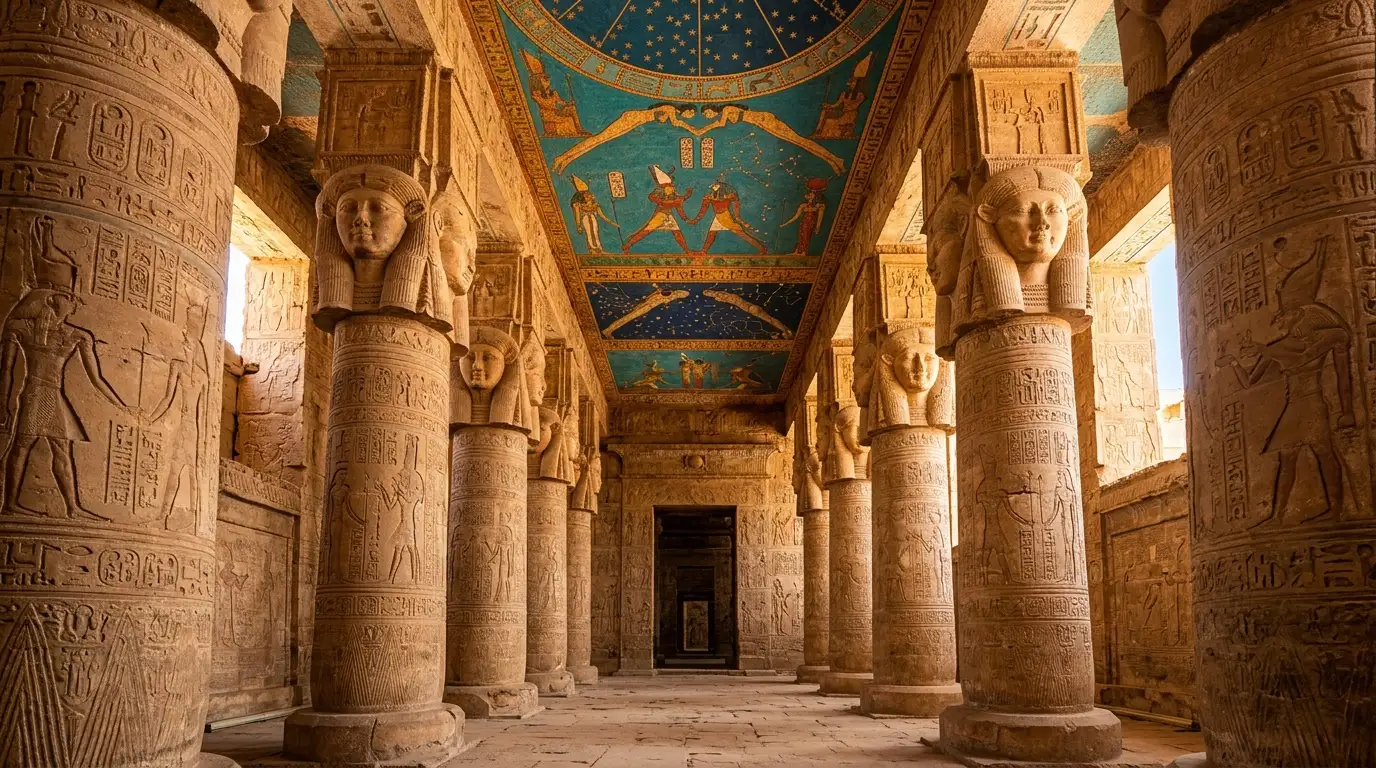
A Dendera and Abydos tour reveals some of the most spectacular, vibrant sanctuaries in ancient Egyptian history. Moreover, travelers seeking rich heritage beyond standard routes discover breathtaking architecture across these two sacred complexes. Many visitors explore the classic sites highlighted in our guide to Best Places to Visit in Luxor: 15 Amazing Historical Sites, but these northern temples offer unique magic. Therefore, planning an excursion north unlocks preserved blue ceilings, regal cartouches, and deeply mystical shrines.
Why Choose a Dendera and Abydos Tour?
Choosing a this experience allows you to escape crowded tour bus routes. In addition, the quality of preservation at both sites easily outshines many larger southern monuments. Ancient artists painted dramatic astronomical ceiling frescoes with natural pigments that remain brilliant today. Furthermore, you will uncover the birthplace of ancient Egyptian resurrection mythology during this journey.
Consequently, history lovers rank this full-day excursion among their favorite adventures in Upper Egypt. In fact, seasoned guides often celebrate this specific journey for its remarkable historical depth. Dendera honors Hathor, the goddess of music, joy, and motherhood. In contrast, Abydos stands as the ancient cult center dedicated to Osiris, ruler of the underworld. Therefore, a comprehensive this experience bridges maternal warmth with eternal mysteries.
Dendera and Abydos tour: The Sacred Enclosure of Dendera Temple
Dendera sits roughly sixty kilometers north of Luxor on the Nile’s western bank. As a result, travelers embarking on a this experience usually visit this magnificent Greco-Roman complex first. The primary sanctuary honors Hathor, displaying towering columns crowned with the goddess’s four-faced stone visage. Furthermore, the massive hypostyle hall contains an astronomical ceiling filled with vibrant blue paint and constellations.
Moreover, architectural details inside Dendera reflect Roman imperial patronage intertwined with Egyptian religious tradition. For example, scholars documented how Roman emperors rebuilt shrines in the traditional Egyptian style on the Dendera Temple complex historical records. Roman rulers like Augustus and Tiberius carved their royal offerings across these thick sandstone walls. Therefore, your this experience reveals a captivating political synthesis that preserved ancient Egyptian cult rituals.
The Famous Dendera Zodiac and Crypts
In addition to the main hall, visitors can explore atmospheric subterranean crypts decorated with intricate relief work. Meanwhile, the temple roof holds the chamber that once contained the celebrated Dendera Zodiac. Although the original sandstone carving now resides inside the Louvre Museum, the ceiling replica remains deeply impressive. Consequently, your this experience provides direct insight into ancient astronomical mastery and cosmic theology.
Cleopatra VII and the Temple Exterior
Outside the sanctuary, the rear exterior wall exhibits magnificent colossal relief carvings. In fact, these carvings feature the famous Queen Cleopatra VII alongside her royal son, Caesarion. If you enjoy royal dynastic history, read our article on Cleopatra: The Last Queen of Egypt – 10 Fascinating Facts. Therefore, booking a this experience offers travelers rare opportunities to see genuine depictions of Egypt’s final Ptolemaic ruler.
Journey to Sacred Abydos: The Cult Center of Osiris
Further north in the Sohag Governorate stands the mystical ancient burial necropolis of Abydos. Historically, every ancient Egyptian wished to make a pilgrimage to Abydos at least once. Consequently, participating in a modern this experience recreates this venerable pilgrimage across desert landscapes. Abydos served as the mythological resting place for Osiris, the benevolent god of resurrection and rebirth.
In addition, the Great Temple of Seti I dominates the archaeological landscape here. Renowned limestone reliefs inside this temple display unmatched delicacy and artistic mastery. For instance, detailed research published by the Metropolitan Museum of Art highlights how royal artisans achieved peak bas-relief sophistication during the New Kingdom era. Therefore, your this experience presents authentic royal art crafted during Egypt’s Golden Age.
The Renowned Abydos King List
Furthermore, Seti I commissioned one of ancient Egypt’s most valuable chronological records along an inner corridor. This famous gallery displays seventy-six royal cartouches honoring earlier pharaohs. King Seti I stands beside his young son, who later became Egypt’s most famous builder pharaoh. To understand his legacy, check out our guide on Ramses II: Egypt’s Greatest Pharaoh – 10 Powerful Facts. As a result, every this experience functions as an immersive history lesson on royal chronology.
The Subterranean Osireion Mystery
Immediately behind Seti’s temple lies the mysterious, megalithic monument called the Osireion. Moreover, builders constructed this subterranean structure using massive granite pillars reminiscent of Old Kingdom architecture. Underground water channels still flood the central island chamber, creating an unforgettable, haunting ambiance. Nevertheless, modern Egyptologists confirm that Seti I designed this subterranean cenotaph as a symbolic tomb for Osiris. Therefore, your Dendera and Abydos tour culminates with one of the most enigmatic architectural marvels in the entire country.
Planning Your Dendera and Abydos Tour Itinerary
Proper planning ensures an effortless, comfortable journey through Upper Egypt’s rural desert highways. Most travelers depart early from Luxor around seven in the morning in private air-conditioned vehicles. In addition, the drive between Luxor, Dendera, and Abydos covers roughly four hundred kilometers round trip. As a result, scheduling a private Dendera and Abydos tour maximizes flexibility and personal exploration time.
Furthermore, early departures help visitors beat afternoon heat and occasional tourist crowds. Travelers frequently pair this excursion with longer regional itineraries exploring the majestic Nile Valley. If you want to expand your vacation, explore our comprehensive Amazing Egypt 7 Day Itinerary: The Ultimate Guide to What to See in Egypt in 7 Days. Consequently, incorporating a dedicated Dendera and Abydos tour elevates your overall Egyptian experience.
Essential Tips for an Exceptional Dendera and Abydos Tour
Preparation makes a significant difference during this extensive day tour. First, always wear comfortable walking shoes suitable for stone staircases and uneven archaeological pavements. Second, pack bottled water and light snacks, because dining options around Abydos remain relatively simple. Therefore, planning ahead allows you to focus completely on your Dendera and Abydos tour adventures.
Moreover, bring a reliable flashlight or smartphone light to inspect dimly lit crypts and corridors. Photography tickets are generally included in modern admission, but always respect local signage inside sensitive chambers. Finally, hiring an experienced Egyptologist turns ancient hieroglyphs into vivid historical narratives. Consequently, choosing a professionally curated Dendera and Abydos tour guarantees a truly unforgettable exploration of ancient Upper Egypt.