The Complete Ancient Egyptian Civilization Timeline: 10 Amazing Eras That Changed History
10 Amazing Ancient Egyptian Civilization Timeline Facts: The Complete History Guide
Rank Math SEO Package
Focus Keyword: Ancient Egyptian Civilization Timeline
SEO Title: 10 Amazing Ancient Egyptian Civilization Timeline Facts: Complete History Guide
Post Title (H1): The Complete Ancient Egyptian Civilization Timeline: 10 Amazing Eras That Changed History
URL Slug: ancient-egyptian-civilization-timeline
Meta Description: Discover the Ancient Egyptian Civilization Timeline, from the Predynastic Period to Roman Egypt. Explore 10 amazing historical eras, famous pharaohs, pyramids, temples, and key events.
The Complete Ancient Egyptian Civilization Timeline: 10 Amazing Eras That Changed History
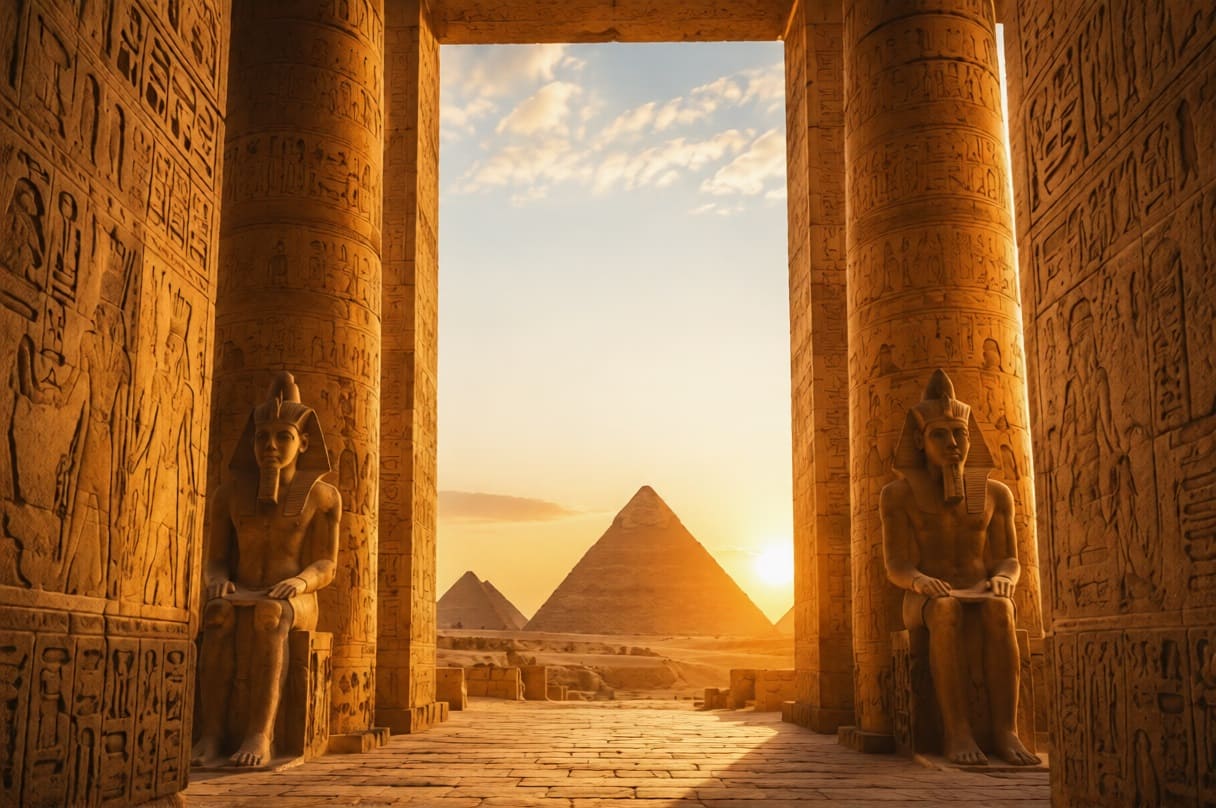
Understanding the Ancient Egyptian Civilization Timeline is the key to appreciating one of the world’s greatest civilizations. For more than 3,000 years, Ancient Egypt flourished along the fertile banks of the Nile River, producing remarkable achievements in architecture, engineering, religion, medicine, astronomy, and government. Today, millions of visitors travel to Egypt to admire its magnificent pyramids, majestic temples, royal tombs, and priceless archaeological treasures.
Whether you are planning a historical tour of Egypt or simply fascinated by ancient history, this guide explains the Ancient Egyptian Civilization Timeline through its most important eras, highlighting the rulers, monuments, and achievements that shaped one of humanity’s most influential civilizations.
Why the Ancient Egyptian Civilization Timeline Is Important
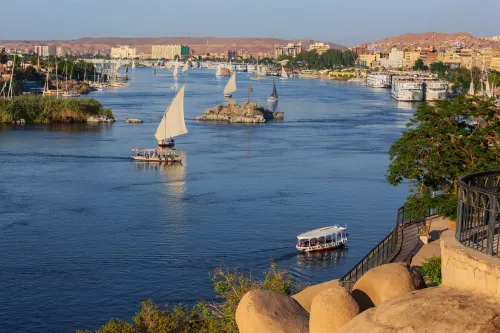
The Ancient Egyptian Civilization Timeline reveals how a collection of small farming communities developed into one of history’s most powerful empires. Thanks to the annual flooding of the Nile River, Egypt enjoyed fertile farmland that supported agriculture, trade, and population growth.
Furthermore, a centralized government led by powerful pharaohs enabled the construction of monumental temples, pyramids, and cities that continue to amaze historians and travelers today. Understanding this timeline helps visitors appreciate the significance of Egypt’s historical landmarks and the evolution of its culture over thousands of years.
1. Predynastic Egypt (Before c. 3100 BC)
Before Egypt became a unified kingdom, settlements were established along the Nile Valley. These early communities developed agriculture, pottery, trade, and religious traditions that laid the foundation for the Egyptian civilization.
Key Developments
- Permanent settlements
- Farming and irrigation
- Early trade routes
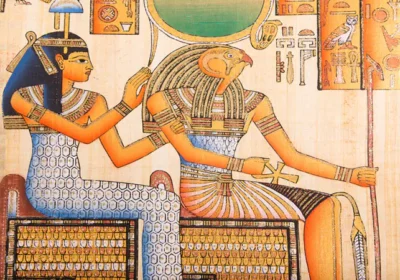
- Religious beliefs
- Village communities
2. Early Dynastic Period (c. 3100–2686 BC)
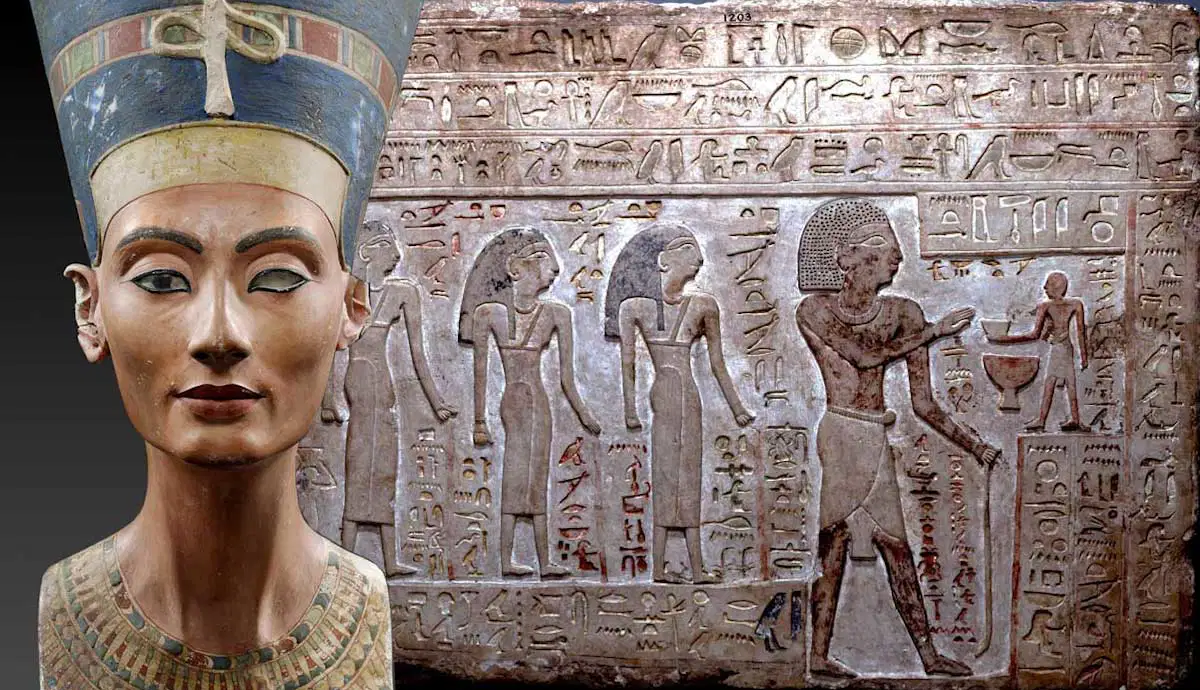
The Ancient Egyptian Civilization Timeline officially begins with the unification of Upper and Lower Egypt by King Narmer. This event marked the birth of the Egyptian state and established Memphis as an important political and administrative center.
Highlights
- Egypt unified under one ruler
- Hieroglyphic writing expanded
- Central government established
- Royal tombs built at Abydos and Saqqara
3. Old Kingdom (c. 2686–2181 BC)
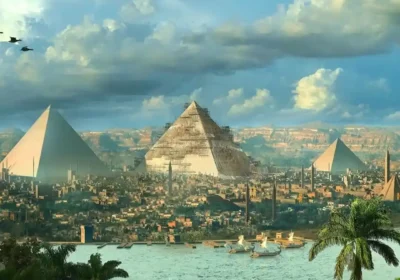
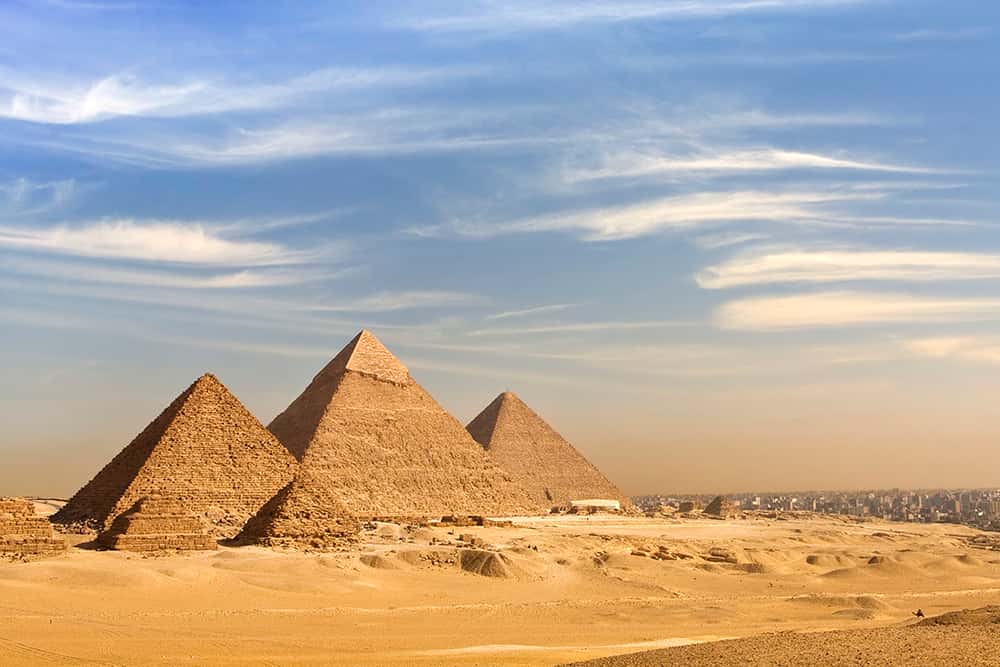
Known as the Age of the Pyramid Builders, the Old Kingdom witnessed some of the greatest architectural achievements in human history. During this period, Pharaoh Khufu commissioned the Great Pyramid of Giza, while other rulers built magnificent pyramids and monuments that still stand today.
Famous Pharaohs
- Djoser
- Sneferu
- Khufu
- Khafre
- Menkaure
Major Landmarks
- Step Pyramid of Djoser
- Great Pyramid of Giza
- Great Sphinx
- Saqqara Necropolis
4. Middle Kingdom (c. 2055–1650 BC)
Following political instability, Egypt was reunited under strong leadership. The Middle Kingdom became a period of prosperity, literary achievement, and territorial expansion into Nubia. In addition, large irrigation projects improved agriculture and strengthened the economy.
5. New Kingdom (c. 1550–1069 BC)
Many historians consider the New Kingdom the golden age of the Ancient Egyptian Civilization Timeline. Egypt expanded its influence across the Near East while constructing some of its most famous temples and royal tombs.
Famous Pharaohs
- Hatshepsut
- Thutmose III
- Amenhotep III
- Akhenaten
- Tutankhamun
- Seti I
- Ramses II
Major Monuments
- Karnak Temple
- Luxor Temple
- Valley of the Kings
- Temple of Hatshepsut
- Abu Simbel
These remarkable monuments remain among Egypt’s most visited attractions and continue to inspire millions of travelers each year.
6. Third Intermediate and Late Periods
Although political power became divided during these centuries, Egyptian culture remained vibrant. Native rulers, Nubian kings, Assyrians, and Persians all influenced Egypt while preserving many of its religious traditions and monumental architecture.
7. Ptolemaic Egypt (332–30 BC)
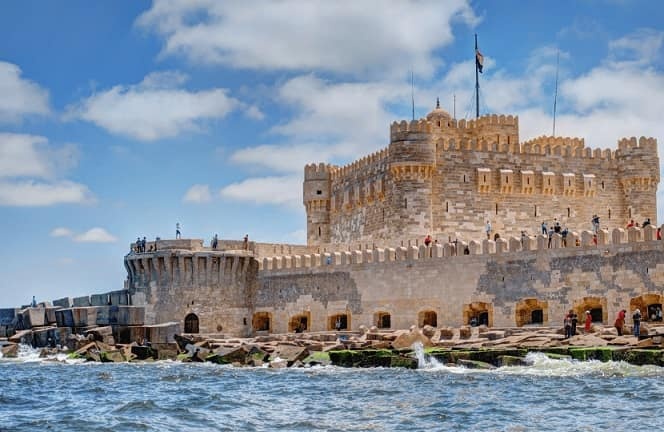
Alexander the Great conquered Egypt in 332 BC, beginning the Ptolemaic Period. Greek and Egyptian traditions blended to create a unique culture that produced impressive temples such as Edfu, Kom Ombo, and Philae. Alexandria also became one of the world’s greatest centers of learning.
The dynasty ended with Queen Cleopatra VII, whose reign concluded when Egypt became part of the Roman Empire.
8. Roman Egypt (30 BC–AD 395)
Roman rule marked the final major chapter of the Ancient Egyptian Civilization Timeline. Egypt remained one of Rome’s most valuable provinces due to its fertile farmland and strategic location. Meanwhile, Christianity gradually spread across the country, transforming religious life while many ancient monuments continued to stand as symbols of Egypt’s remarkable past.
Timeline Summary
| Period | Approximate Dates | Key Achievement |
|---|---|---|
| Predynastic | Before c. 3100 BC | Early settlements and agriculture |
| Early Dynastic | c. 3100–2686 BC | Unification under Narmer |
| Old Kingdom | c. 2686–2181 BC | Pyramid construction |
| Middle Kingdom | c. 2055–1650 BC | Reunification and prosperity |
| New Kingdom | c. 1550–1069 BC | Imperial expansion and monumental temples |
| Third Intermediate | c. 1069–664 BC | Regional kingdoms |
| Late Period | c. 664–332 BC | Native dynasties and foreign influence |
| Ptolemaic | 332–30 BC | Greek-Egyptian civilization |
| Roman | 30 BC–AD 395 | Roman administration and cultural transition |
Why the Ancient Egyptian Civilization Timeline Still Matters
The Ancient Egyptian Civilization Timeline is more than a sequence of historical dates. It tells the story of a civilization that transformed architecture, science, religion, engineering, and art. Furthermore, it helps modern travelers understand the significance of Egypt’s world-famous landmarks, from the Great Pyramid of Giza to the temples of Luxor and Abu Simbel.
By exploring these historical eras, visitors gain a deeper appreciation for the achievements of the ancient Egyptians and the lasting legacy they left for the world.
Frequently Asked Questions
How long did Ancient Egyptian civilization last?
Ancient Egyptian civilization lasted for more than 3,000 years, beginning around 3100 BC with the unification of Egypt under King Narmer and continuing until Roman rule.
Which era is considered Ancient Egypt’s Golden Age?
The New Kingdom is regarded as the Golden Age because of its military power, prosperous economy, and monumental construction projects.
Who built the Great Pyramid of Giza?
The Great Pyramid of Giza was built for Pharaoh Khufu during the Old Kingdom around 2580–2560 BC.
Why is the Nile River so important?
The Nile River provided fertile land, fresh water, transportation, and reliable harvests, making it the foundation of Ancient Egyptian civilization.
Conclusion
The Ancient Egyptian Civilization Timeline offers an extraordinary journey through more than three millennia of innovation, leadership, and cultural achievement. From the earliest farming communities along the Nile to the grandeur of the New Kingdom and the influence of the Ptolemaic and Roman eras, each period contributed to Egypt’s enduring legacy.
Today, visitors can explore many of these remarkable achievements by visiting the Great Pyramid of Giza, the Valley of the Kings, Karnak Temple, Abu Simbel, Saqqara, and countless other historical treasures. Understanding the Ancient Egyptian Civilization Timeline not only enriches every visit but also reveals why Ancient Egypt continues to captivate historians, archaeologists, and travelers from around the world.
Recommended External Resources
Egyptian Ministry of Tourism and Antiquities – Official travel and archaeological updates
UNESCO World Heritage Centre – Egypt’s World Heritage Sites
Grand Egyptian Museum – Official visitor information