Nile River Egyptian Civilization: The Ultimate 9-Step History Guide
How Did the Nile River Shape Egyptian Civilization?
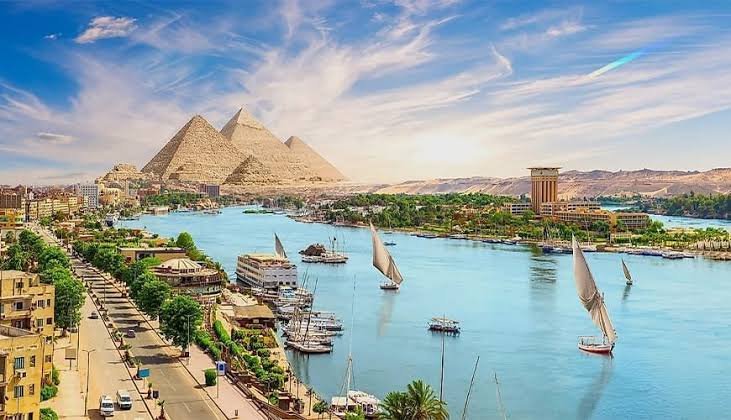
The Nile River Egyptian Civilization connection is one of the most important stories in the history of the ancient world. For thousands of years, the Nile provided water, fertile soil, transportation, food, and a natural route connecting communities across the Egyptian landscape.
Without the river, the development of Ancient Egypt would have been dramatically different. The surrounding desert created a challenging environment, while the Nile Valley offered the resources needed for permanent settlement and agriculture. As a result, communities gradually developed along the river before eventually becoming part of a powerful and highly organized kingdom.
The influence of the Nile extended far beyond farming. It shaped Egyptian trade, religion, government, architecture, transportation, settlement patterns, and even the way ancient Egyptians understood their world.
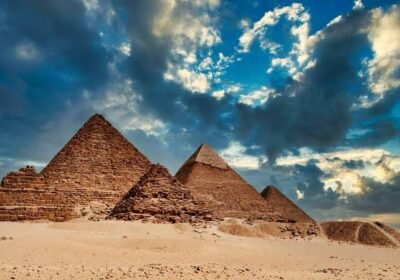
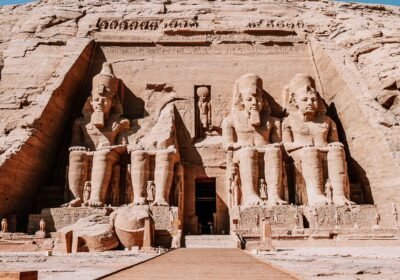
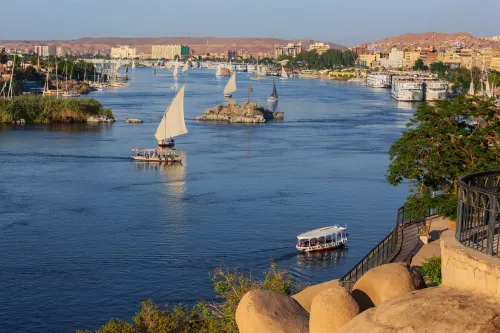
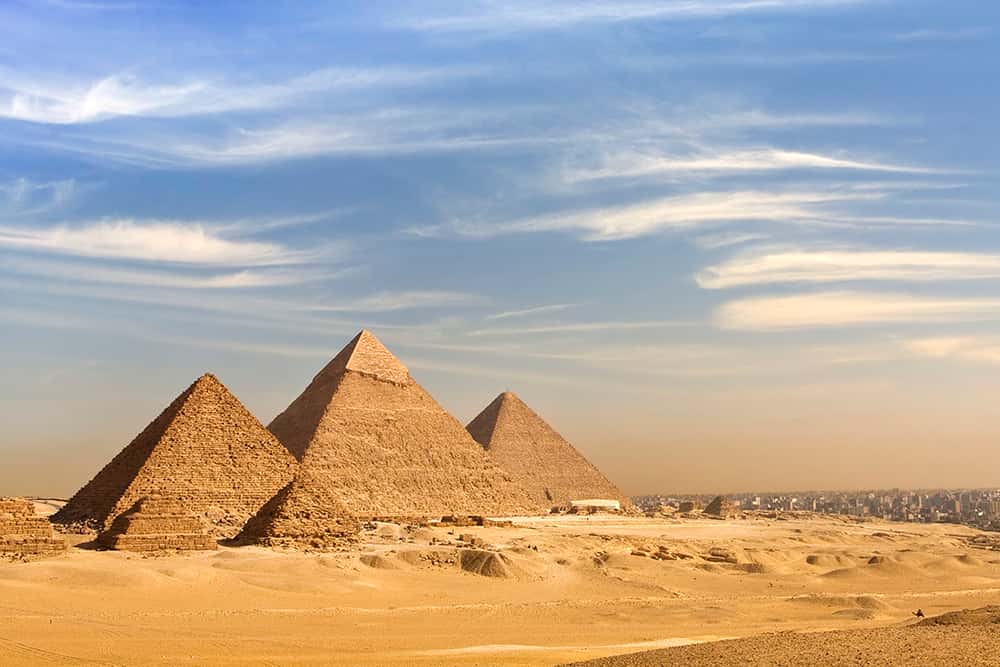
Today, travelers can still see this relationship while exploring the pyramids of Giza, the temples of Luxor, the monuments of Aswan, and the villages and fields that continue to line the river.
Why Was the Nile So Important to Ancient Egypt?
The Nile was the foundation of Egyptian life.
Much of Egypt is surrounded by desert. Therefore, the narrow strip of fertile land along the river became the center of settlement and economic activity.
The annual flooding of the Nile historically deposited nutrient-rich sediment across parts of the floodplain. This helped farmers cultivate crops such as wheat, barley, vegetables, and flax.
Reliable agricultural production supported growing populations. In turn, larger communities could support craftsmen, administrators, soldiers, priests, and royal officials.
This created a cycle of development:
Nile water → agriculture → food surplus → population growth → organized society → cities and monuments
That relationship explains why the Nile was much more than a river. It was the environmental foundation on which Egyptian society developed.
1. The Nile Made Agriculture Possible
Agriculture was one of the greatest contributions of the Nile to Egyptian civilization.
Farmers depended on the river and its flood cycle to cultivate the land. They developed methods for managing water and organizing agricultural work around seasonal conditions.
Grain production was particularly important. Wheat and barley provided essential food supplies, while surplus crops could support workers and government institutions.
Moreover, agricultural production generated resources that could be collected as taxes.
The Egyptian state could then use those resources to support temples, armies, administrators, and major construction projects.
In this way, the river indirectly helped make monumental architecture possible.
2. The Nile Connected Different Regions
Egypt stretched for hundreds of kilometers along the Nile. Without an effective transportation route, communication between communities would have been much more difficult.
Fortunately, the river provided a natural highway.
Boats could transport agricultural products, stone, pottery, timber, people, and other goods between settlements.
Furthermore, the river connected Upper and Lower Egypt and helped strengthen economic relationships between different regions.
This transportation network became particularly important when Egyptian rulers organized large building projects.
Stone from distant quarries could be transported toward major construction centers, allowing architects and craftsmen to build temples, tombs, statues, and pyramids on an enormous scale.
3. The Nile Helped Ancient Egypt Develop Trade
The river also supported internal and international trade.
Egyptian merchants and officials could use the Nile to move goods toward the Mediterranean coast and south toward Nubia.
At the same time, Egypt maintained connections with neighboring regions and obtained materials that were not readily available in the Nile Valley.
Gold, stone, timber, incense, precious objects, and other resources entered Egyptian trade networks.
As a result, the Nile became an important part of an economic system that extended far beyond the river itself.
The prosperity created by agriculture and trade helped Egyptian rulers maintain powerful states for long periods.
4. The Nile Influenced the Rise of the Egyptian State
The development of a centralized Egyptian government was closely connected to the geography of the Nile Valley.
Communities depended on shared water and agricultural resources. Managing those resources required organization and cooperation.
Over time, political structures became increasingly sophisticated. Eventually, Upper and Lower Egypt were unified under centralized royal authority.
Consequently, the Nile Valley became the heartland of one of the world’s earliest territorial states.
Pharaohs could use the river as a communication and transportation network while governing settlements spread along its banks.
The geography of Egypt therefore helped support political unity.
5. The Nile Shaped Egyptian Cities
Ancient Egyptian settlements naturally developed close to water and fertile agricultural land.
Important cities emerged along the river or near major branches and canals.
Memphis, Thebes, and other major centers benefited from their position within the Nile Valley.
Meanwhile, temples, administrative buildings, markets, workshops, and residential areas developed around these centers.
The river provided access to food and transportation, making settlements near it economically valuable.
Even today, many of Egypt’s most important historical destinations are located along the Nile.
6. The Nile Became Part of Egyptian Religion
The importance of the Nile also influenced Egyptian religious beliefs.
Ancient Egyptians closely observed natural cycles, including the annual flood. The return of fertile conditions was essential for agricultural life.
The concept of ma’at, associated with balance and order, was central to Egyptian thought. The predictable cycles of nature reinforced the importance of maintaining harmony between people, the gods, and the natural world.
The Nile was therefore deeply connected to religious ideas about fertility, renewal, and life.
In addition, several Egyptian deities were associated with water, fertility, agriculture, and the natural world.
The river was not viewed simply as a physical resource. It was part of the sacred landscape.
7. The Nile Supported Monumental Construction
One of the most fascinating aspects of the Nile River Egyptian Civilization relationship is the connection between the river and Egypt’s famous monuments.
The pyramids, temples, and royal tombs required enormous quantities of stone and other materials.
Transporting these materials over land alone would have been extremely difficult.
The Nile offered a much more efficient transportation route. Boats could carry heavy materials over significant distances before the final journey over land.
Therefore, the river played an important logistical role in the construction of monumental architecture.
The Great Pyramid of Giza is a remarkable example of what an organized Egyptian state could achieve when agriculture, labor, engineering, and transportation worked together.
8. The Nile Influenced the Calendar
Agricultural societies need to understand seasonal changes.
Ancient Egyptians closely observed the annual cycle of the Nile, agriculture, and the stars. These observations contributed to the development of a calendar used to organize farming, religious ceremonies, taxation, and administrative activities.
The ancient Egyptian calendar divided the agricultural year into three broad seasons traditionally known as:
- Akhet – the inundation
- Peret – the emergence or growing season
- Shemu – the harvest season
As a result, the natural rhythm of the river became closely connected with the organization of Egyptian society.
9. The Nile Shaped the Ancient Egyptian Worldview
The geography of Egypt created a striking contrast between the fertile river valley and the surrounding desert.
The Nile Valley represented life, agriculture, and settlement, while the desert formed a dramatically different environment.
Because of this, geography influenced Egyptian ideas about life, death, and renewal.
Many tombs and temples were constructed on the western side of the Nile near ancient Thebes. The western horizon was associated with the setting sun and, symbolically, the realm of the dead.
This connection helps explain why the western bank of Luxor became home to major royal burial sites such as the Valley of the Kings.
10. The Nile Remains Central to Egypt Today
The importance of the Nile did not disappear with the end of the pharaohs.
Modern Egypt continues to depend heavily on the river for water, agriculture, transportation, and settlement.
Most of the country’s population lives within the Nile Valley and Delta because these areas provide the most suitable conditions for human habitation.
At the same time, the Nile has become an important part of Egypt’s tourism industry.
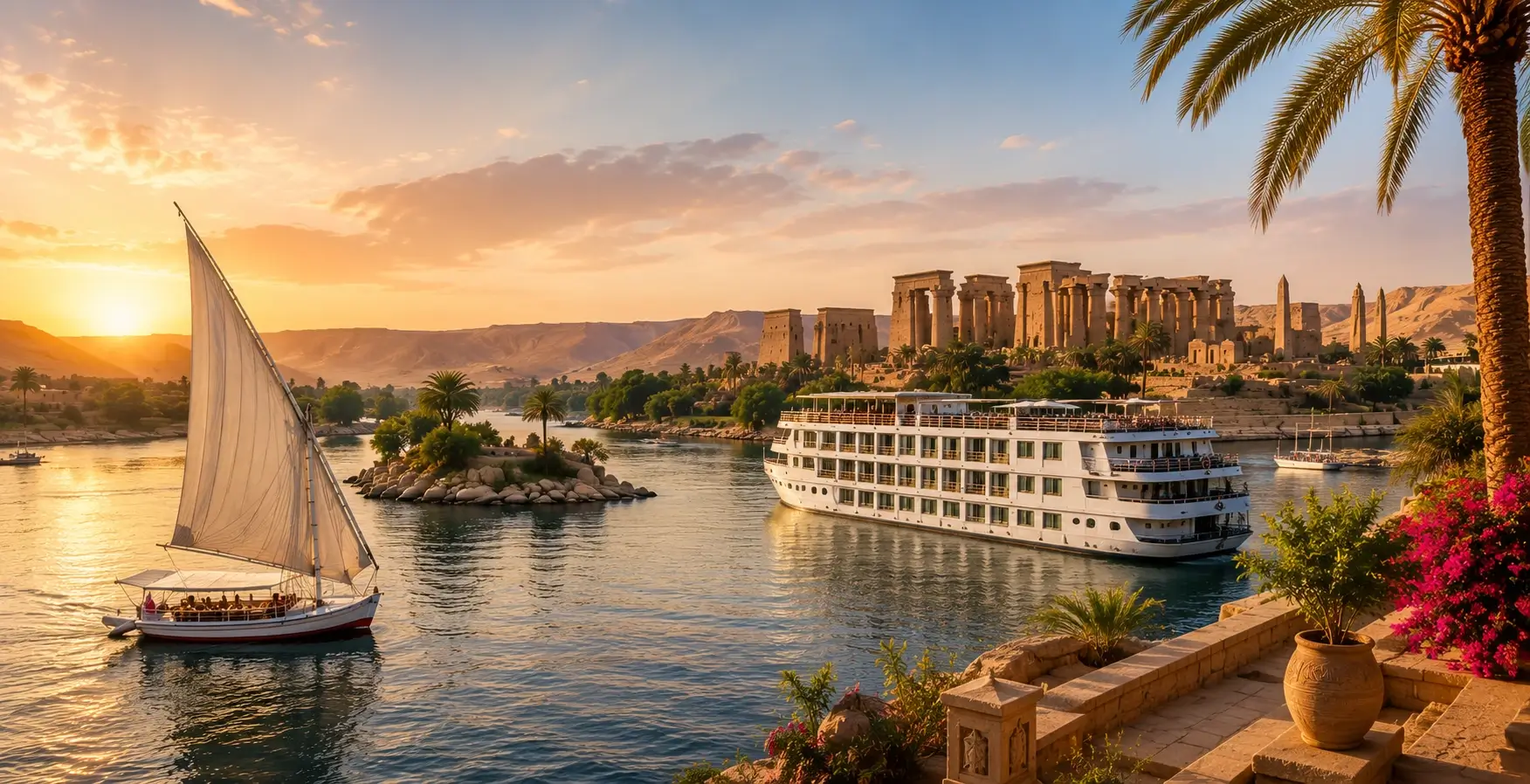
Nile cruises allow visitors to travel between Luxor and Aswan while exploring some of the country’s most famous temples.
The Nile and Egypt’s Greatest Historical Destinations
The relationship between the Nile and Egyptian history becomes especially clear when visiting the country’s major archaeological destinations.
Giza
The pyramids stand near the ancient Nile floodplain, demonstrating the importance of transportation and agricultural resources to the development of the Old Kingdom.
Luxor
Luxor provides perhaps the clearest example of the river’s influence. The Nile separates the ancient temples on the eastern bank from the royal tombs of the western bank.
Aswan
Aswan was an important southern center and a gateway toward Nubia. Its location made it significant for trade, transportation, and access to valuable resources.
Edfu and Kom Ombo
Both destinations demonstrate how temples and settlements developed along the river corridor.
For travelers, following the Nile from Cairo toward Luxor and Aswan provides a fascinating way to understand how geography shaped Egyptian history.
What Would Egypt Be Without the Nile?
It is impossible to know exactly how Egyptian history would have developed without the Nile.
However, one fact is clear: the river provided the environmental conditions that allowed large-scale settlement to flourish in an otherwise arid region.
Agriculture supported populations. Transportation connected communities. Trade created wealth. Water encouraged settlement. Together, these factors created conditions in which a complex civilization could develop.
The Nile did not build the pyramids by itself. Ancient Egyptians provided the knowledge, organization, labor, creativity, and political institutions required to transform resources into monumental achievements.
Nevertheless, the river provided the foundation on which much of that achievement depended.
Frequently Asked Questions
How did the Nile River shape Egyptian civilization?
The Nile provided water, fertile land, food, transportation, and trade opportunities. Consequently, it supported agriculture, population growth, political organization, and the development of cities and monumental architecture.
Why was the Nile important to Ancient Egypt?
The Nile was essential because Egypt’s surrounding desert offered limited areas suitable for large-scale agriculture. The river created a fertile environment where communities could settle and produce food.
Did the Nile help build the pyramids?
Yes. The river provided an important transportation route for moving stone and other materials toward major construction sites. This helped Egyptian builders organize large-scale architectural projects.
How did the Nile affect Egyptian religion?
The river’s seasonal cycles were closely connected with fertility, renewal, and the natural order. These ideas influenced Egyptian religious beliefs and symbolism.
Why are so many Egyptian historical sites near the Nile?
The river was the main source of water and transportation. Therefore, settlements, cities, temples, and other important structures naturally developed along or near its banks.
Conclusion
The story of the Nile River Egyptian Civilization is ultimately the story of how geography can shape human history.
The Nile provided the water and fertile land necessary for agriculture. Furthermore, it connected communities, supported trade, transported building materials, influenced religion, and helped sustain powerful political institutions.
From the pyramids of Giza to the temples of Luxor and Aswan, countless monuments reflect the importance of this extraordinary river.
Even after thousands of years, the Nile remains central to Egypt’s identity.
For anyone interested in Egyptian history, understanding the Nile is therefore one of the best ways to understand the civilization itself. The river was not simply part of Ancient Egypt—it was one of the fundamental forces that made Ancient Egypt possible.