
Best Places to Visit in Luxor: 15 Amazing Historical Sites
The Best Places to Visit in Luxor: 15 Amazing Historical Attractions
Best Places to Visit in Luxor include some of the most spectacular temples, royal tombs, museums, and archaeological monuments in Egypt. Located on both banks of the Nile River, Luxor was once ancient Thebes, one of the most important cities of Ancient Egypt. Today, its extraordinary concentration of monuments makes it one of the world’s greatest destinations for history and cultural tourism.
For travelers interested in pharaohs, temples, royal tombs, and Ancient Egyptian civilization, Luxor offers an exceptional journey through thousands of years of history. The city is divided naturally by the Nile into the East Bank and West Bank, with major temples on the East Bank and many of the most famous royal tombs on the West Bank.
From the magnificent Karnak Temple to the mysterious Valley of the Kings, the best places to visit in Luxor reveal the power and creativity of the ancient civilization that once ruled the Nile Valley.
Whether you are planning a one-day visit, a Nile cruise, or a longer Egypt historical tour, this guide will help you discover the most important attractions in Luxor.
Why Luxor Is One of Egypt’s Best Historical Destinations
Luxor occupies the site of ancient Thebes, which became a major political and religious center of Egypt, especially during the New Kingdom. Thebes was closely associated with the worship of Amun-Ra and received enormous wealth and royal attention during the period when Egypt was an imperial power.
Today, the ancient city survives through its temples, tombs, statues, museums, and archaeological landscapes.
The most important attractions are spread across both sides of the Nile:
East Bank
- Karnak Temple
- Luxor Temple
- Avenue of the Sphinxes
- Luxor Museum
- Mummification Museum
West Bank
- Valley of the Kings
- Temple of Hatshepsut
- Valley of the Queens
- Colossi of Memnon
- Ramesseum
- Medinet Habu
- Tombs of the Nobles
- Deir el-Medina
This combination makes Luxor especially rewarding because visitors can experience both the religious center of ancient Thebes and its enormous funerary landscape.
15 Best Places to Visit in Luxor
1. Valley of the Kings
The Valley of the Kings is one of the most important historical attractions in Egypt and should be at the top of any list of the best places to visit in Luxor.
Located on the West Bank, the valley served as a royal burial ground during the New Kingdom. More than 60 tombs have been identified, along with additional unfinished tombs.
The tombs were cut into the limestone mountains and decorated with colorful scenes, religious texts, and images connected with the afterlife.
The valley is also famous for the tomb of Tutankhamun, discovered by Howard Carter in 1922.
Why visit:
Explore the underground royal tombs and discover the burial traditions of Egypt’s New Kingdom pharaohs.
2. Karnak Temple
Karnak Temple is another essential attraction among the best places to visit in Luxor.
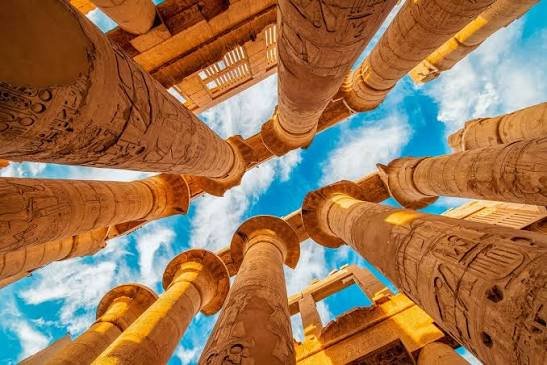
The enormous complex developed over many centuries and contains temples, chapels, pylons, statues, sacred spaces, and other structures dedicated primarily to the god Amun. Nearly every major New Kingdom ruler left a mark on Karnak.
One of its most spectacular features is the Great Hypostyle Hall, which contains 134 massive columns.
Walking between these enormous columns gives visitors a powerful impression of the scale of ancient Egyptian religious architecture.
Why visit:
See one of Egypt’s greatest temple complexes and experience the extraordinary scale of Ancient Egyptian architecture.
3. Luxor Temple
Located directly beside the modern city, Luxor Temple is one of the most accessible historical attractions in the city.
The temple was closely connected with royal rituals and the ancient Opet Festival. It was also linked with Karnak by a processional avenue lined with sphinxes.
The temple is particularly impressive around sunset and after dark when its columns, statues, and walls are illuminated.
Why visit:
Enjoy spectacular architecture in the heart of Luxor and combine your visit with a walk along the Nile Corniche.
4. Temple of Hatshepsut
The Temple of Hatshepsut at Deir el-Bahari is one of the most recognizable monuments on the West Bank.
Built against a dramatic limestone cliff, the temple was associated with Queen Hatshepsut, one of the most important rulers of the 18th Dynasty.
Its terraces and colonnades create an extraordinary architectural setting.
Why visit:
Combine mountain scenery with the story of one of Ancient Egypt’s most remarkable female pharaohs.
5. Colossi of Memnon
The Colossi of Memnon are two enormous seated statues located on the West Bank.
The statues originally formed part of the entrance to the mortuary temple of Amenhotep III.
Although the surrounding temple has largely disappeared, the colossal figures remain an impressive landmark.
Why visit:
Stop here while exploring the West Bank and see two monumental royal statues that have survived for thousands of years.
6. Medinet Habu
Medinet Habu is the impressive mortuary temple of Ramses III.
The complex is known for its monumental gateways, reliefs, inscriptions, courtyards, and well-preserved decoration.
Compared with the more famous Valley of the Kings and Karnak, Medinet Habu can provide a quieter archaeological experience.
Why visit:
Admire some of Luxor’s most detailed temple reliefs and learn about the reign of Ramses III.
7. Ramesseum
The Ramesseum was the mortuary temple of Ramses II, one of the most famous pharaohs of Ancient Egypt.
Located on the West Bank, the complex once contained enormous statues, courtyards, columns, and decorated walls.
Although much of the monument has been damaged, its remaining ruins still reveal the scale of Ramses II’s building program.
Why visit:
Discover the legacy of Ramses the Great and explore one of the most important monuments of the 19th Dynasty.
8. Valley of the Queens
The Valley of the Queens is another important archaeological site on the West Bank.
It contains tombs belonging to queens and other members of the royal family.
One of its most famous tombs is that of Queen Nefertari, renowned for its exceptionally beautiful painted decoration.
Why visit:
Explore royal tombs beyond the Valley of the Kings and discover the artistic achievements of the New Kingdom.
9. Tombs of the Nobles
The Tombs of the Nobles provide a different perspective on Ancient Egyptian society.
Unlike royal tombs, many of these burial chambers contain scenes showing agriculture, craftsmanship, celebrations, hunting, food preparation, and everyday life.
These scenes are especially valuable because they provide insights into the lives of people beyond the pharaohs.
Why visit:
See fascinating artwork depicting everyday Ancient Egyptian life.
10. Deir el-Medina
Deir el-Medina was the settlement of the workers and artisans who created many of the royal tombs in the Theban Necropolis.
The remains of houses and nearby private tombs provide a rare glimpse into the lives of the skilled people who worked on the monumental burial complexes.
The site helps visitors understand that the construction of royal tombs depended on highly organized communities of craftsmen.
Why visit:
Discover the people behind Luxor’s magnificent royal tombs.
11. Luxor Museum
The Luxor Museum is an excellent choice for travelers who want to understand the artifacts found in the surrounding archaeological sites.
The museum displays important statues, objects, and discoveries from the Luxor region, including material connected with Tutankhamun.
It is smaller than some of Egypt’s major museums, making it easier to explore during a busy Luxor itinerary.
Why visit:
See important archaeological objects while gaining more context before or after visiting the ancient monuments.
12. Mummification Museum
The Mummification Museum offers a focused introduction to the ancient Egyptian practice of mummification.
Displays explain aspects of the embalming process and the tools and materials associated with ancient burial traditions.
It is located along the Nile Corniche and can be combined easily with a visit to the Luxor Museum.
Why visit:
Learn how ancient Egyptians prepared the dead for the afterlife.
13. Avenue of the Sphinxes
The Avenue of the Sphinxes connected Karnak and Luxor Temple and formed an important ceremonial route in ancient Thebes.
Walking through this historic landscape provides a sense of how religious ceremonies once connected the major temples.
The avenue is also a convenient way to understand the relationship between Karnak and Luxor Temple.
Why visit:
Experience one of ancient Thebes’ most important ceremonial routes.
14. Hot Air Balloon Ride Over Luxor
For a completely different perspective, consider a sunrise hot air balloon ride over Luxor.
From above, travelers can see the Nile, green agricultural fields, desert mountains, temples, and archaeological sites across the West Bank.
The official Egyptian tourism platform also highlights sunrise hot air ballooning as one of Luxor’s memorable experiences.
Why visit:
Enjoy spectacular aerial views of the ancient landscape at sunrise.
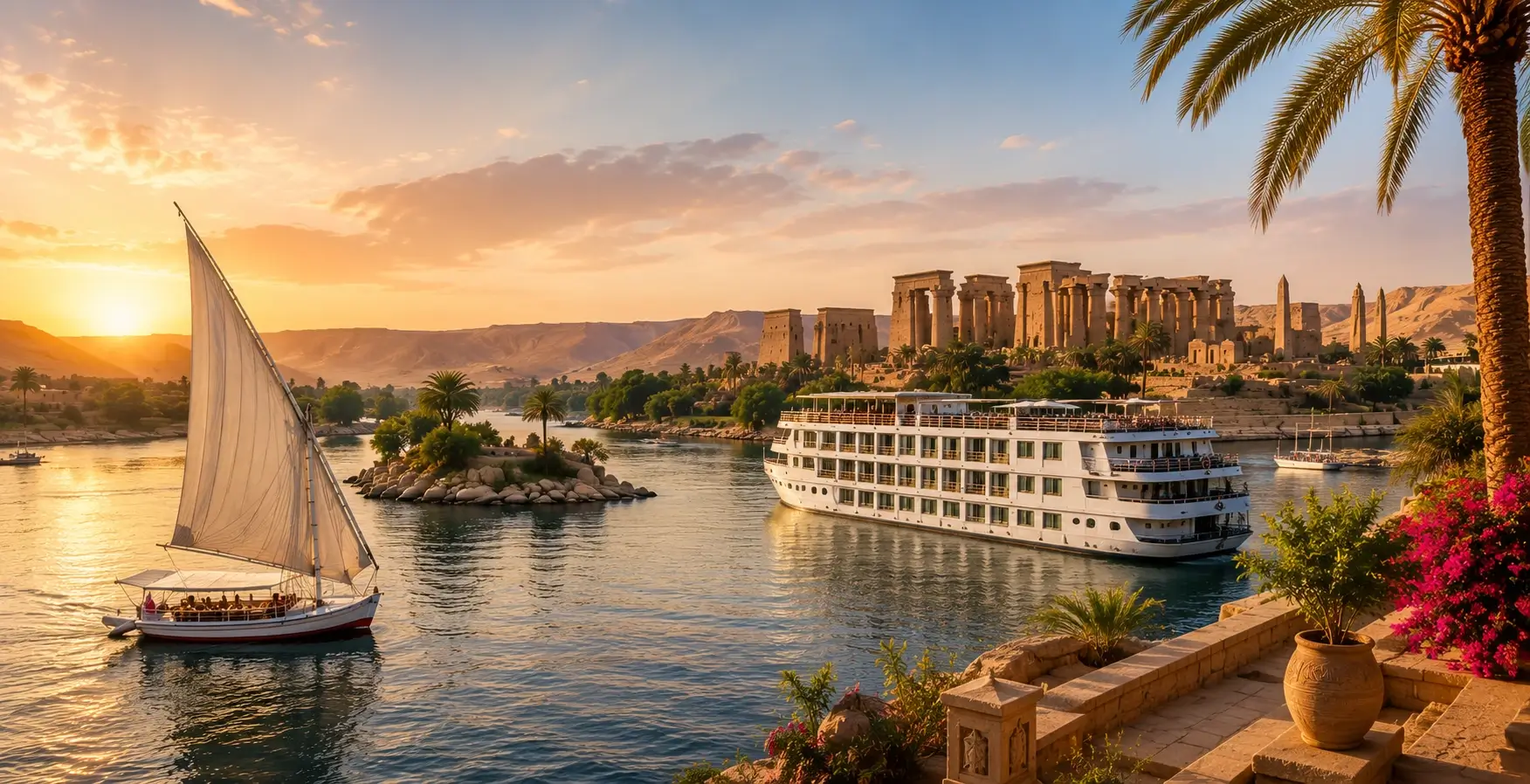
15. Nile River and Felucca Experience
The Nile is central to understanding Luxor.
A traditional felucca ride provides a peaceful way to experience the river and see the contrast between the green agricultural land and the surrounding desert landscape.
A sunset sailing trip can be especially memorable after a full day of exploring temples and tombs.
Why visit:
Relax on the Nile and experience Luxor from the water.
East Bank or West Bank: Which Should You Visit?
If you have limited time, try to visit both.
The East Bank is ideal for exploring the major temples of ancient Thebes. Karnak Temple and Luxor Temple are the two essential highlights.
The West Bank focuses more heavily on funerary monuments, royal tombs, temples, and ancient settlements.
A complete Luxor experience therefore combines both sides of the Nile.
Best Places to Visit in Luxor for First-Time Visitors
If this is your first trip, prioritize:
- Valley of the Kings
- Karnak Temple
- Luxor Temple
- Temple of Hatshepsut
- Colossi of Memnon
- Medinet Habu
- Luxor Museum
If you have additional time, add the Valley of the Queens, Ramesseum, Deir el-Medina, and the Tombs of the Nobles.
How Many Days Do You Need in Luxor?
A full two or three days allows travelers to experience Luxor without rushing.
One Day
Focus on:
- Valley of the Kings
- Temple of Hatshepsut
- Colossi of Memnon
- Karnak Temple
- Luxor Temple
Two Days
Add:
- Valley of the Queens
- Medinet Habu
- Ramesseum
- Luxor Museum
- Mummification Museum
Three Days
You can explore the major attractions at a slower pace and add:
- Deir el-Medina
- Tombs of the Nobles
- Hot air balloon ride
- Felucca trip
- Additional tombs and temples
Spending two to three days is also consistent with current travel guidance for exploring Luxor’s major archaeological attractions.
Best Time to Visit Luxor
The cooler months from roughly October through April are generally more comfortable for sightseeing.
This is especially important because many of Luxor’s archaeological attractions require walking outdoors and exploring exposed sites.
Start early whenever possible. Morning visits can provide cooler temperatures and softer light for photography.
The West Bank is particularly rewarding early in the day.
Tips for Visiting Luxor’s Historical Sites
Start early.
Morning temperatures are generally more comfortable, especially for the West Bank.
Visit both banks.
Do not limit your trip to the East Bank temples.
Wear comfortable shoes.
Many attractions involve walking on uneven surfaces.
Carry water.
Luxor can become very hot, particularly during the warmer months.
Consider a guide.
An Egyptologist can explain the stories behind the reliefs, tombs, temples, and religious traditions.
Plan your route.
The attractions are spread across Luxor, so grouping nearby sites can save valuable time.
Why Luxor Should Be on Your Egypt Travel List
Luxor is more than a collection of ancient monuments. It is a destination where visitors can see how religion, royal power, art, architecture, and burial traditions shaped Ancient Egyptian civilization.
The city’s location on the Nile also makes it an important stop on many Nile cruises between Luxor and Aswan.
Whether you are interested in the pharaohs, ancient architecture, archaeology, photography, or Egyptian history, Luxor offers an extraordinary range of experiences.
The best places to visit in Luxor are not limited to one famous temple or tomb. Together, they create a complete picture of ancient Thebes.
Frequently Asked Questions
What are the best places to visit in Luxor?
The most important attractions include the Valley of the Kings, Karnak Temple, Luxor Temple, Temple of Hatshepsut, Colossi of Memnon, Medinet Habu, Ramesseum, Valley of the Queens, and Luxor Museum.
Is Luxor worth visiting?
Yes. Luxor contains an exceptional concentration of ancient Egyptian temples, tombs, and monuments and is one of Egypt’s most important historical destinations.
How many days should I spend in Luxor?
Two to three days is ideal for seeing the major attractions without rushing.
What is the most famous attraction in Luxor?
The Valley of the Kings is one of Luxor’s most famous attractions, while Karnak Temple is another essential highlight.
Should I visit Luxor East Bank or West Bank?
Both. The East Bank is famous for Karnak and Luxor temples, while the West Bank contains the Valley of the Kings, Temple of Hatshepsut, Valley of the Queens, and numerous other archaeological sites.
Can I visit Luxor on a day trip?
Yes. A day trip can cover several major attractions, but staying longer allows you to explore the archaeological sites at a more comfortable pace.
Conclusion
The best places to visit in Luxor offer an extraordinary journey through the history of Ancient Egypt. From the underground royal tombs of the Valley of the Kings to the enormous columns of Karnak Temple and the elegant terraces of Hatshepsut’s temple, every attraction reveals another part of ancient Thebes.
For first-time visitors, the most important strategy is to explore both the East and West Banks. Combine the great temples with royal tombs, museums, and a peaceful Nile experience to create a complete Luxor itinerary.
Whether you visit for one day or several days, Luxor provides an unforgettable opportunity to walk among some of the greatest monuments of Ancient Egyptian civilization.